-
WhatsApp / Mob : +86 156 5177 2521
-
البريد الإلكتروني : mrwin@cnbangwin.com
WhatsApp / Mob : +86 156 5177 2521
البريد الإلكتروني : mrwin@cnbangwin.com

What Is Liquid Nitrogen Plant? A Complete Guide to Industrial LN2 Production
Jun 24 , 2026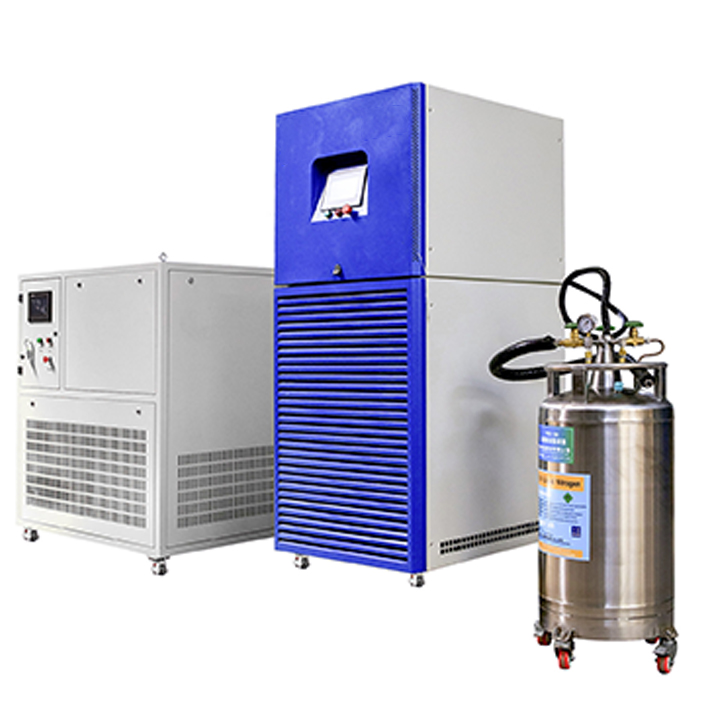
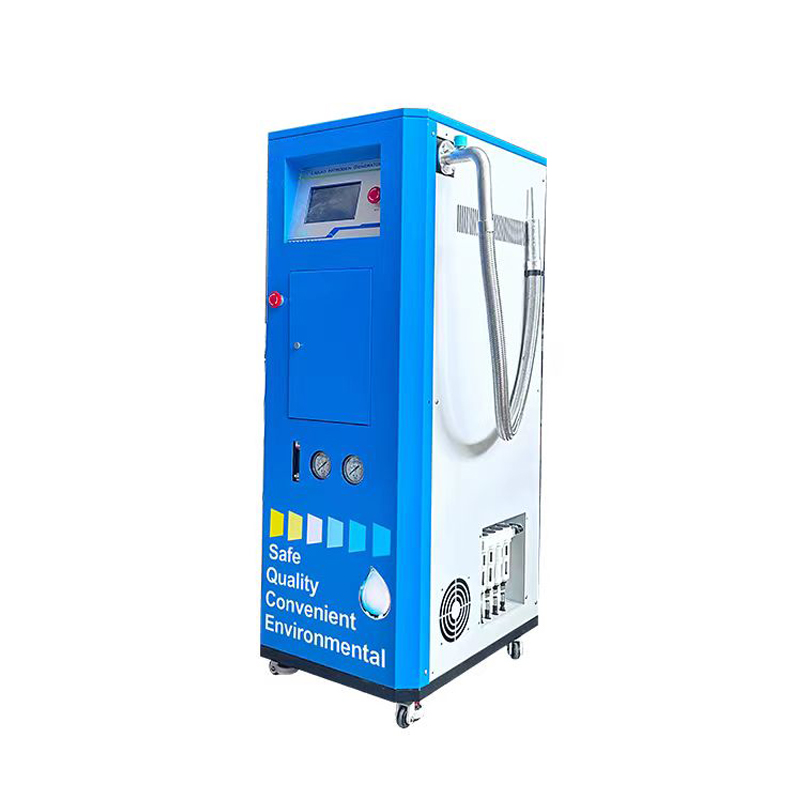
Industrial users mostly ask what is liquid nitrogen plant and why these things are important in current era of manufacturing.
A liquid nitrogen plant is a facility that generates liquid nitrogen from the air. It is a he nitrogen separated from oxygen and other gases. It then cools nitrogen to cryogenic levels and liquefies it.
With a boiling point of nearly -196°C, liquid nitrogen is therefore utilized in freezing and cooling applications, as well as for the purposes of storage, preservation and inerting within industries.
In the present time, a lot of companies are putting up liquid nitrogen plants since they prefer to have a continuous supply of nitrogen. In addition, they also want to decrease reliance on imported gas supplies.
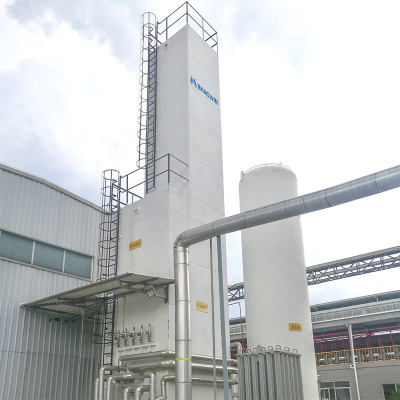
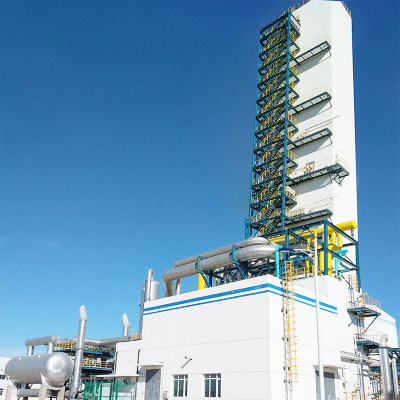
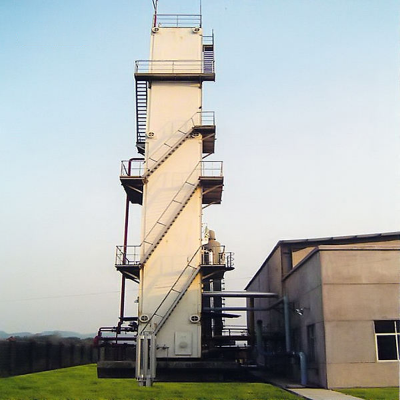
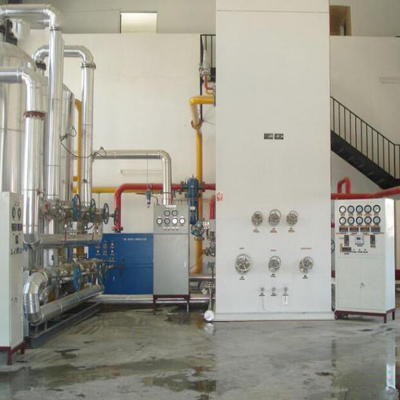
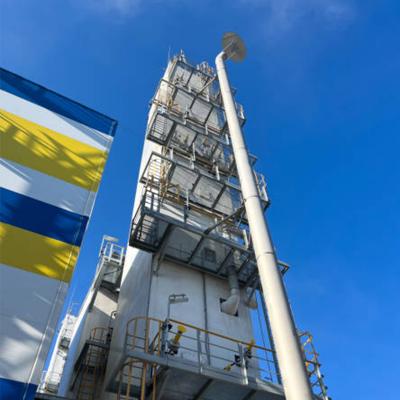
Cryogenic Air Separation Plant
Cryogenic Air Separation Equipment
Liquid nitrogen underpins scores of industrial processes.
First, it provides rapid cooling.
Second, it preserves sensitive materials.
Third, it prevents oxidation in the manufacturing process.
Furthermore, compared to gaseous nitrogen, liquid nitrogen can provide greater storage density.
This means that businesses can pack in more into less space.
Further, industries are still looking forward to the vertical of using cryogenic technology. The increasing demand for liquid nitrogen worldwide is, therefore, an undeniable fact.
Cryogenic air separation technology for a liquid nitrogen plant.
The system starts by compressing the air from the atmosphere.
Purity, moisture removal units are the subsequent stage to remove impurities, carbon dioxide and moisture content.
Next, heat exchangers draw the temperature from the compressed air.
Then, additional expansion equipment drop the temperature even further.
At the same time, a cryogenic distillation column separates nitrogen from oxygen.
Lastly, it liquefies the purified nitrogen and puts it in storage.
Which means the plant is always available to provide a steady flow of liquid nitrogen.
A few foundational elements are in play here that enable consistent manufacturing.
l Air Compressor
The compressor supplies compressed air.
Thus, it is the cornerstone of the production process.
l Air Purification System
This system is responsible for the removal of water vapour, hydrocarbons and carbon dioxide.
This is how it ensures the protection of cryogenic equipment.
l Heat Exchanger
Cooling down air with the help of this heat exchanger is so smooth.
In addition, it increases the energy efficiency overall.
l Expansion Turbine
The turbine generates refrigeration energy.
As a result, the system cools to cryogenic temperatures.
l Distillation Column
Nitrogen and oxygen are separated in the tower by distillation.
Then, it delivers high-purity nitrogen.
l Liquid Nitrogen Storage Tank
The storage tank safely retains liquid nitrogen.
So, users can retrieve nitrogen whenever they need it.
Cryogenic Air Separation Equipment
Capacity on production differs based on industry.
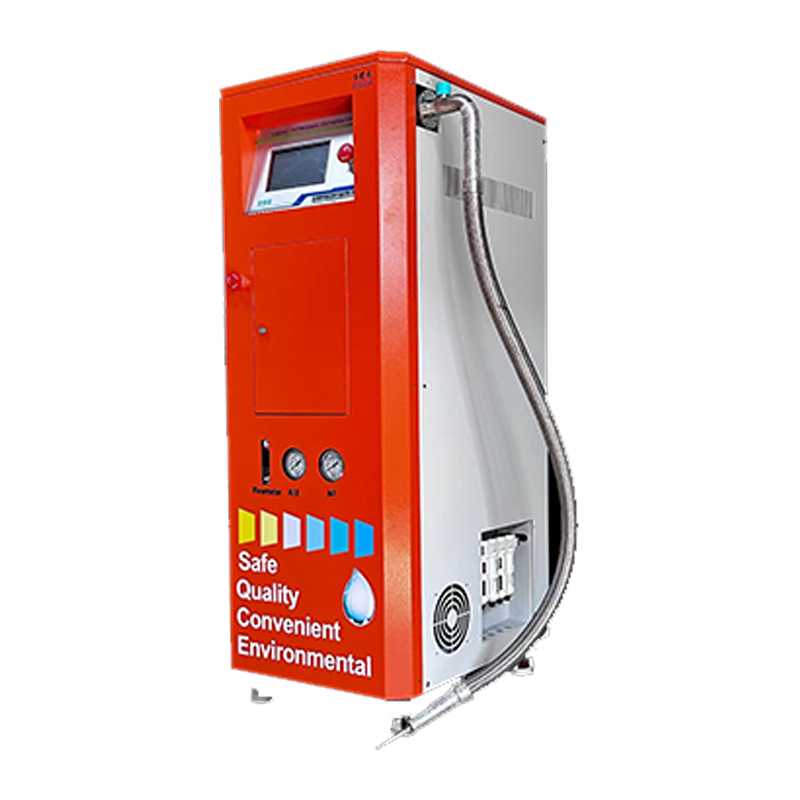
Laboratories and research centres would be more suited to small systems.
They also have a small footprint required for installation.
Medium-Capacity Plants
Medium systems are applicable for food processing facilities and pharmaceutical manufacturers.
Additionally, there is a good balance of the cost and output with them.
Large Industrial Plants
Big systems have high liquid nitrogen yields.
That is why they are often chosen in steel and chemical plants.
The production consists of various stages.
Step 1: Air Intake
The system continuously sucks in ambient air.
Step 2: Air Compression
Compressors increase air pressure.
Step 3: Air Purification
Purification units remove contaminants.
Step 4: Cooling
Heat exchangers then cool air very drastically.
Step 5: Cryogenic Separation
A distillation column separates nitrogen from oxygen.
Step 6: Nitrogen Liquefaction
The system liquefies nitrogen.
Step 7: Storage
The finished product is kept in storage tanks.
Consequently, users are offered with a steady supply of liquid nitrogen.
On-premise manufacturing has its advantages, which is why many companies select it.
l Reduced Long-Term Costs
Step one: companies stop buying nitrogen day after day.
As a result, operating expenses reduce over time.
l Stable Supply
The plant generates nitrogen continuously.
Because of this production breaks are less likely.
l Higher Efficiency
On-site generation reduces transportation requirements.
Moreover, it improves operational flexibility.
l Greater Independence
Companies produce their own nitrogen.
Thus they do not suffer from supply chain disruptions.
l Long Equipment Life
Current systems have reliable performance in cryogenic temperatures.
Consequently, user ountain gains a persistent storm of returns on their investments.
Liquid nitrogen serves numerous industries.
l Food Processing
Liquid nitrogen is often used for flash freezing in manufacturing.
It also retains your texture and your quality.
l Medical Industry
Semiconductors devices are kept in cryogenic with liquid nitrogen inside hospitals.
Additionally, biological samples are kept with LN2 in laboratories.
l Electronics Manufacturing
Manufacturers cool sensitive components during production.
l Chemical Industry
Liquid nitrogen is a support for the inerting and blanketing.
l Metal Processing
The nitrogen used is designed to serve this very purpose so that oxidization does not occur in factories.
l Scientific Research
Researchers depend on liquid nitrogen every day.
Hence, liquid nitrogen is still a required part of numerous industries.
Many buyers compare these two technologies.
|
Feature |
Liquid Nitrogen Plant |
PSA Nitrogen Generator |
|
Product |
Liquid Nitrogen |
Gaseous Nitrogen |
|
Storage Density |
High |
Lower |
|
Investment Cost |
Higher |
Lower |
|
Production Capacity |
Medium to Large |
Small to Medium |
|
Cryogenic Applications |
Excellent |
Limited |
|
Transportation Savings |
Significant |
Moderate |
Several factors influence project costs.
l Production Capacity
Larger plants require more equipment.
Therefore, investment costs increase.
l Nitrogen Purity
Generally, the greater the additional purity requirement, the more sophisticated technology will be needed.
l Automation Level
Modern control systems improve efficiency.
But they also raise the price of equipment.
l Storage Requirements
Larger storage tanks increase all-in investment.
l Installation Conditions
Site conditions affect engineering complexity.
Consequently, project costs vary significantly.
The importance of making the right supplier choice never changes.
First, evaluate industry experience.
Next, review engineering capabilities.
Moreover, examine previous project references.
Furthermore, assess after-sales service quality.
Last, consider energy efficiency and operational costs.
This is why it is always recommended to partner with expert manufacturers.
Who do you work for?We are with Nanjing Bangwin Gas which is a company focusing on Industrial gas generation.
Official Website:https://bangwingas.com/
The company supplies:
l Cryogenic Air Separation Plant
l Liquid Oxygen Plant
Nanjing Bangwin Gas also offers customized engineering.
In addition, the firm also helps with installation, commissioning and technical training.
This ensures the customers with the most reliable and economical gas production systems.
Cryogenic storage tanks & gas cylinders:
https://bangwingascylinder.com/
l What is liquid nitrogen plant?
The cryogenic separation of atmospheric air produces liquid nitrogen in a plant.
l In this article: → How does a liquid nitrogen plant work?
They compress, purify (to 99.999% purity) cool, separate and liquefy air to produce liquid nitrogen gas (LNG).
l What is the purity of liquid nitrogen plant?
The nitrogen purity is primarily achieved greater than 99.999% required for most industrial plants.
l Which industries utilize liquid nitrogen plants
Liquid Nitrogen Plant in Food processing, healthcare, electronics, pharmaceuticals and chemicals laboratories as well as research institutes.
Liquid nitrogen plant is more suitable for applications of liquid nitrogen. An example of a PSA system is presented for the generation of gaseous nitrogen.
Before you start calculating your liquid nitrogen plant cost.
Cost depends on capacity, purity, automation level and storage needs.
l Why choose Nanjing Bangwin Gas?
With customized solutions, cutting-edge technology and extensive technical support, Nanjing Bangwin Gas helps you get ahead of the competition.
When a question is asked what is liquid nitrogen plant, the response goes beyond just production of simple gases.
Cryogenic Nitrogen: A liquid nitrogen plant produces a stable supply of cryogenic nitrogen Moreover, it improves operational flexibility. Secondly, it lowers costs of nitrogen supply over the long term.
As a result, more industries invest in on-site liquid nitrogen generation systems each year.
Customers from all over the world prefer Nanjing Bangwin Gas for advanced liquid nitrogen solutions! Global offers highly reliable equipment, customized engineering, and professional support for industrial gas projects worldwide.
Learn more at https://bangwingas.com/.



 IPv6 شبكة مدعومة