-
WhatsApp / Mob : +86 156 5177 2521
-
البريد الإلكتروني : mrwin@cnbangwin.com
WhatsApp / Mob : +86 156 5177 2521
البريد الإلكتروني : mrwin@cnbangwin.com

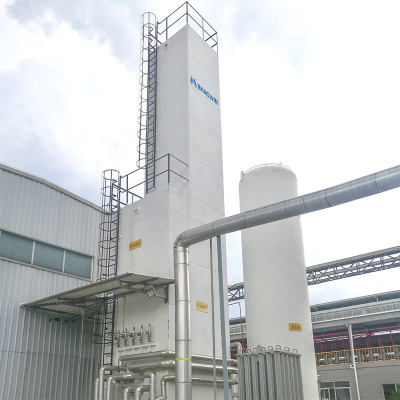
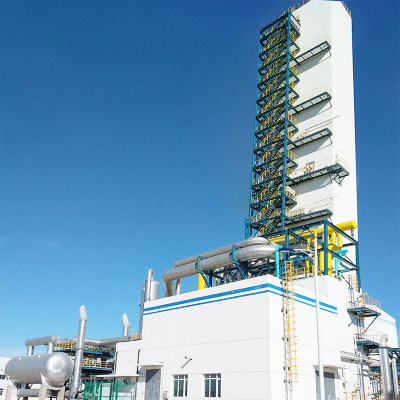
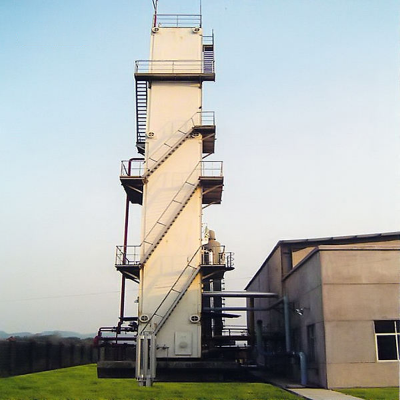
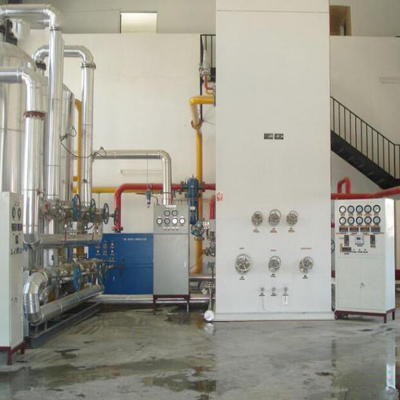
VPSA Oxygen Generator Equipment for Industrial On-Site Oxygen Supply
Feb 27 , 2026l Introduction to VPSA Oxygen Generator Equipment
l What Is VPSA Oxygen Generator Equipment
l Why Industries Choose VPSA Oxygen Generator Equipment
l How VPSA Oxygen Generator Equipment Works
l VPSA Oxygen Generator Equipment vs PSA Systems
l Oxygen Purity and Production Capacity
l Industrial Applications of VPSA Oxygen Generator Equipment
l Energy Efficiency and Cost Advantages
l Automation and Control Systems
l Safety Design and Engineering Standards
l Equipment Configuration and Customization
l Installation, Operation, and Maintenance
l Internal Resources for Oxygen Solutions
l External Industry References
l Frequently Asked Questions
The global industrial demand for oxygen is growing.
Industrial plants require a steady and dependable source of oxygen.
Gas cylinder delivery can create a logistical headache.
Liquid oxygen (LOX) supplies can drive up long-term costs.
With Vpsa oxygen generator equipment, industries can produce oxygen on-site.
They reduce or eliminate dependence on third-party gas providers.
Furthermore, businesses maintain greater control over supply and costs.
VPSA systems also allow industries to run 24/7 without interruption.
Vpsa oxygen generator systems produce oxygen gas from the atmosphere.
Vacuum pressure swing adsorption technology separates oxygen from nitrogen.
Adsorbents trap nitrogen on a molecular level.
The concentrated oxygen is collected as product gas.
Vacuum regeneration allows the system to breathe and reset.
The cycle repeats in a consistent and continuous loop.
Oxygen is a crucial component to many industrial operations.
From steel mills to glass manufacturing, oxygen is used to facilitate combustion.
Chemical plants need oxygen for reaction oxidation processes.
Without a consistent supply of oxygen, these plants cannot function.
VPSA oxygen generator equipment can produce oxygen 24/7 on-site.
Production schedules and deadlines are easier to manage.
Atmospheric air is drawn into the VPSA oxygen generator system via an air compressor.
An air pretreatment system will filter out impurities such as dust particles and moisture.
The compressed air moves into the adsorption tower(s).
Adsorbent material traps nitrogen molecules while allowing oxygen to pass through.
Vacuum pumps then pull the nitrogen from the adsorbent material.
Control valves switch between towers to achieve a constant flow of oxygen.
VPSA stands for Vacuum Pressure Swing Adsorption.
PsA oxygen generator systems also produce oxygen from atmospheric air.
The difference is that VPSA systems utilize vacuum pressures during regeneration.
This allows the system to operate at a lower pressure.
A lower pressure means the compressor uses less energy.
VPSA systems have a higher energy efficiency than PSA systems.
Vacuum Pressure Swing Adsorption systems can be built to very large scales.
VPSA systems can produce oxygen with 90% to 95% purity.
This level of oxygen purity is suitable for most industrial uses.
VPSA oxygen generators can be designed for any size operation.
Smaller or larger? The oxygen generator can accommodate.
Built-in online oxygen analyzers ensure purity doesn’t drop.
VPSA oxygen generator equipment is utilized across various industries:
l Iron and Steel Industry
l Glass Production Lines
l Petchem Plants
l WWTP Facilities
l Aquarium Oxygenation
l Paper Mills
Different industries will have unique oxygen demands based on flow and purity.
As a result, proper sizing of the system is important.
Choosing equipment with low energy usage is another benefit.
Typically, VPSA oxygen generator equipment uses lower pressures.
As such, regeneration occurs under vacuum which enhances utilization of the adsorbent.
Using less electricity will save on energy costs.
Maintenance costs associated with this equipment are low.
As a result, you can expect the cost of ownership to drop.
Many long-term contract industrial customers are drawn to this.
Control of today’s VPSA oxygen generator equipment is typically done through a PLC.
Operators can easily view pressure, flow rate, and oxygen percentage.
User friendly touch screens allow for effortless day-to-day control.
Ability to monitor from a remote location allows for preventative maintenance.
Alarm features also allow operators to be alerted of any abnormalities.
Safety is always a concern when working with oxygen systems.
An increase in oxygen levels will cause greater risk of fire.
As a result, ventilation is very important.
System safety can be designed with pressure relief.
Using the correct materials can decrease chance of ignition.
This will allow your system to run safely for years to come.
Every client is different.
The location layout can play a factor.
Power conditions may play a roll.
Expandable design permits additional capacity later.
Production scaling can be used to meet demand.
Customization allows you to get more out of your system.
Systems should be installed by professionals.
Proper compressor selection allows for maximum efficiency.
Size of vacuum pump can determine quality of regeneration.
Maintenance involves simple filter changes.
Tower switches should be checked to ensure valves are working.
You can expect a long life out of your system.
To strengthen topical authority, link to related pages:
VPSA Oxygen Plant Systems
https://www.bangwingas.com/vpsa-oxygen-plant_c15
For additional technical context, reference:
Oxygen production overview
https://en.wikipedia.org/wiki/Oxygen_production
What does vpsa oxygen generator equipment do?
It produces oxygen from air using Vacuum Pressure Swing Adsorption technology.
How pure is the oxygen from VPSA?
Oxygen purity produced from most systems is between 90-95%.
Is vpsa oxygen generator equipment energy efficient?
Yes. Vacuum regeneration allows for less energy consumption by compressors.
Where are vpsa oxygen generator equipment used?
VPSA equipment is used commonly in steel, glass, chemical and wastewater treatment industries.



 IPv6 شبكة مدعومة